


Good morning, it’s Monday, December 8th. In today’s news, “Forever Canada” movement labelling Alberta Separatists as “angry white men” fuels divide, Why changes to the Liberal hate crime bill sparked a political firestorm, A 15-step blueprint for ending civilization, Russia terminates military agreements with Portugal, France and Canada, and much more.
First time reading the daily blend? Sign up here.

“Forever Canada” Movement Labelling Alberta Separatists as “Angry White Men” Fuels Divide
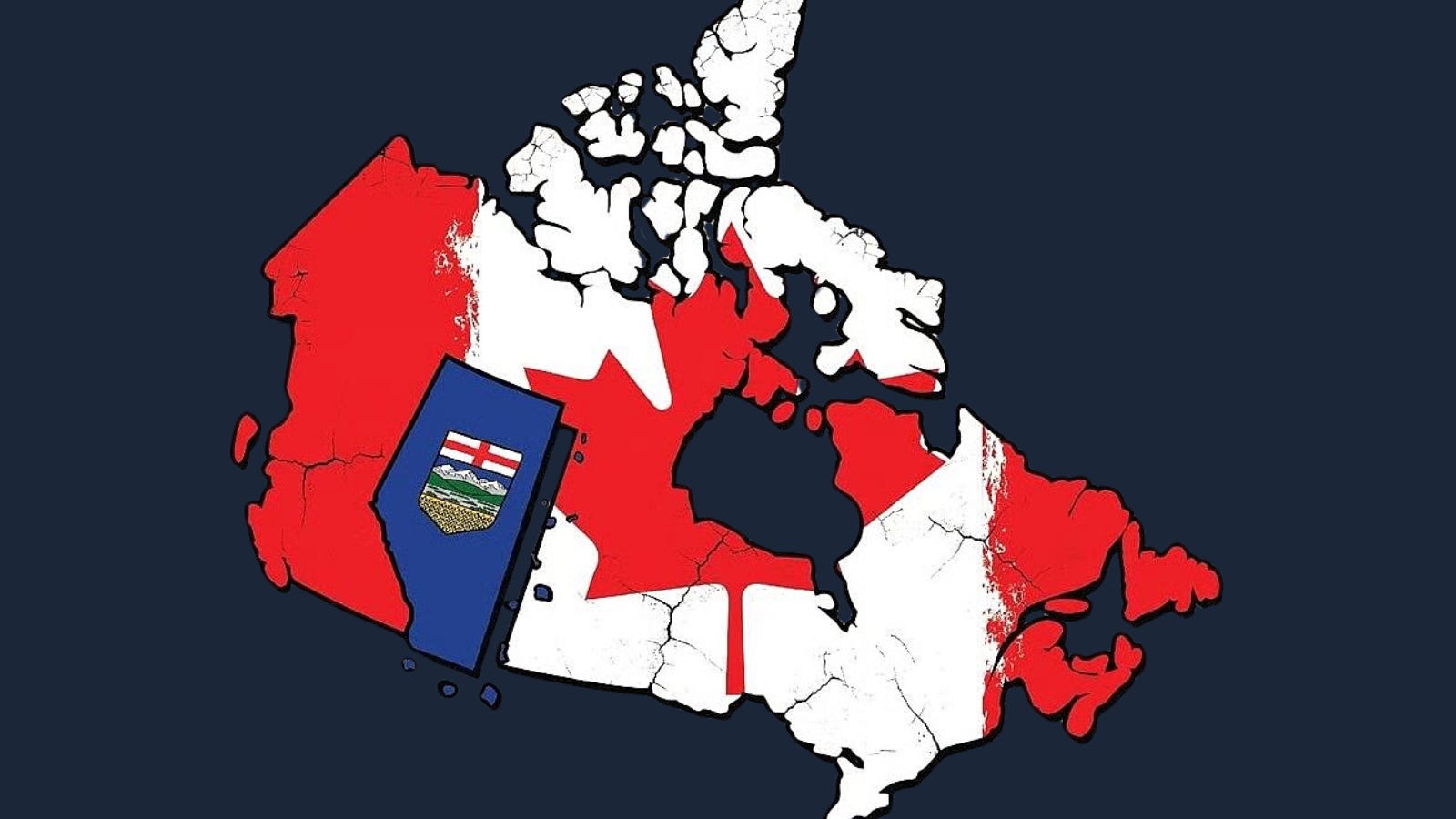
The “Forever Canada” petition was billed as a unifying gesture — a way to calm Alberta’s political temperature before separatist activists could force a referendum. Yet the campaign’s own leader, Thomas Lukaszuk, may be illustrating the very dynamic he hopes to defuse: treating a significant segment of Albertans not as citizens with grievances worth hearing, but as a sociological threat to be managed.
The petition itself is unprecedented. More than 400,000 Albertans signed on to affirm that the province should remain within Canada. Lukaszuk moved quickly to launch it, beating the Alberta Prosperity Project to the punch and preventing their proposed independence question from dominating the conversation. But the tone he adopted afterward is where the irony sets in.
In meetings with Ottawa and leading up to them, Lukaszuk warned that Alberta’s anger could present national security concerns. He spoke of “angry white men,” “lost boys,” and even “a very small group of angry militant men, armed to their teeth.” It’s a dramatic portrait — and one that mirrors the very caricatures that helped inflame regional alienation over the past decade.
If the goal is to de-escalate separatist sentiment, framing tens of thousands of frustrated citizens as volatile radicals is an odd strategy. Lukaszuk distinguishes between “hard-core” separatists — roughly ten per cent of Albertans — and another ten per cent who treat separatism as a bargaining tool. But rather than acknowledging that legitimate policy grievances, economic pressures, and cultural slights may have contributed to this mood, he further dismisses them.
Even if some individuals have been radicalized, radicalization does not occur in a vacuum. It reflects a reaction: to policy shifts, cultural disdain, or a perceived lack of representation. You cannot insist this anger is a serious national issue while simultaneously dismissing the people experiencing it as unserious — as if their concerns exist only because they were “fuelled by other interests.”
What Alberta has been living through is not mysterious. A province that felt vilified for its core industry, sidelined politically, and treated as a problem rather than a partner will naturally produce frustration. Some will channel that frustration into separatism; others will use separatism as leverage. But neither response emerges from nowhere.
This is the central irony: a movement created to keep Alberta in Canada risks sharpening the very divides it hopes to soften. If the aim is unity, the first step is recognition — not reduction. Only when these citizens are treated as participants rather than warnings will the temperature begin to fall. Source.
Why Changes to the Liberal Hate Crime Bill Sparked a Political Firestorm
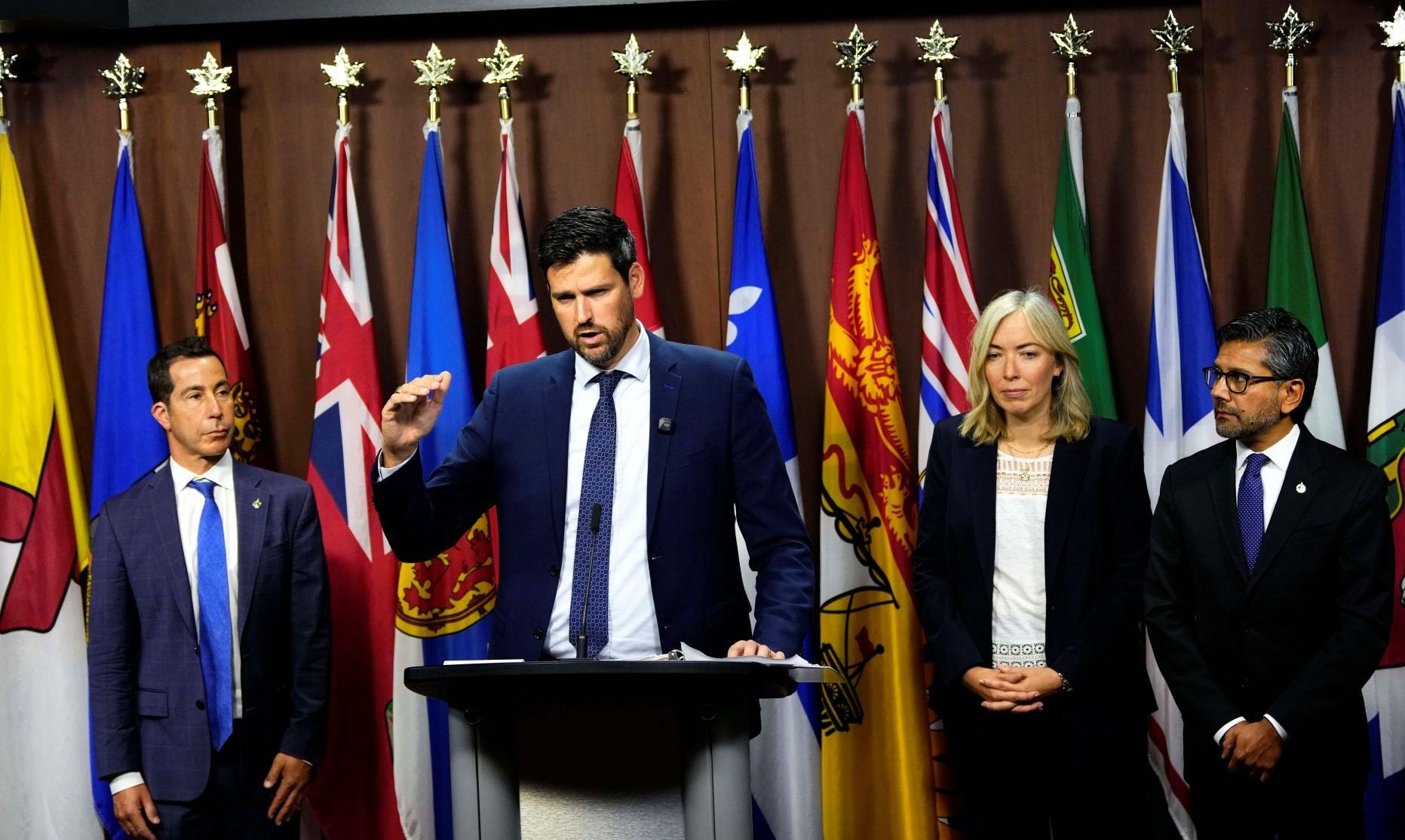
The Liberal government’s push to pass Bill C-9—the “Combating Hate Act”—is now collapsing under its own contradictions. The bill was already controversial, but everything blew up when the Liberals reportedly agreed to Bloc Québécois amendments to remove the “good faith” religious defence in Canada’s hate-speech laws. That defence currently protects Canadians from being prosecuted simply for quoting or teaching from religious texts.
As soon as word got out, backlash came fast—from Conservatives, civil liberties groups, religious leaders, and even the NDP. The Liberals then abruptly cancelled a key justice committee meeting on Dec. 4, leaving the bill in limbo and triggering accusations of political panic.
The Bloc insists the religious defence must go, citing a Montreal Islamist preacher who avoided charges after violent rhetoric last year. But critics say the Bloc’s “solution” would do far more damage than good—effectively making parts of the Bible, Quran, Torah, and other sacred texts legally risky to read aloud, depending on who’s listening and how prosecutors interpret “hate.”
Even justice committee members acknowledged this. Liberal MP Marc Miller openly called sections of Leviticus, Deuteronomy, and Romans “hateful” and questioned why people should be allowed to cite them. That is exactly the concern: the government deciding which religious teachings are acceptable and which are criminal.
Religious groups—including the Catholic bishops—warn that removing the good-faith protection will create legal uncertainty, chill legitimate teaching, and expose clergy, educators, and faith communities to prosecution for beliefs protected under the Charter. The bill also expands new hate-related offences and represents yet another Liberal attempt to control online speech after multiple failed “online harms” efforts.
THE ARGUMENT AGAINST BILL C-9
Bill C-9 isn’t a hate-crime bill. It’s a speech-control bill, and the Bloc’s amendment blows the doors wide open for state policing of belief itself.
1. It criminalizes faith, not hatred.
Without the religious defence, any passage from Scripture—Christian, Jewish, Muslim, Sikh, Hindu—can be framed as “hate” depending on the politics of the moment. That’s not protection; that’s ideological enforcement.
2. It hands government the power to decide which religious teachings are “acceptable.”
When a Liberal MP declares parts of the Bible “hateful,” and the same government is rewriting criminal law, Canadians should be very nervous.
3. It collapses the difference between disagreement and criminality.
Canada already has strong hate-speech laws. This bill expands them while removing the one safeguard that prevents courts from wading into theology.
4. It will not stop the violent extremists the Bloc cites.
The Charkaoui case failed because prosecutors couldn’t meet the existing legal threshold—not because of the religious defence. Removing the defence won’t magically fix weak evidence or political reluctance.
5. It chills the rights the Charter explicitly protects: freedom of expression and freedom of religion.
When bishops warn of “fear, uncertainty, and legal risk” for clergy and teachers, they’re not exaggerating—the penalty is up to two years in prison.
6. It’s the latest step in a broader Liberal project to control online speech.
After multiple failed “online harms” bills, the government is now burying the same controls inside a hate-crime package. It’s censorship by relabeling.
7. It divides Canadians instead of protecting them.
Real hate crimes are serious. But by criminalizing traditional teachings of multiple faiths, the bill paints millions of peaceful Canadians as potential criminals. That’s not protection—that’s provocation.
Bottom Line: If the Liberals and Bloc push this through, it won’t reduce hate—it will criminalize conscience and destroy one of the few remaining pillars of free expression in Canada.
If I Were the Devil: A 15-Step Blueprint for Ending Civilization

If I were the Devil and wanted to destroy human civilization, here’s how I’d pull it off in fifteen simple steps:
First, I’d destroy the family. I’d frame men and women as rivals instead of partners. I’d convince people that fathers aren’t necessary, children are burdens, and the home is a place of strain rather than strength.
Second, I’d turn men into passive consumers. I’d shame drive and ambition as “toxic,” erase rites of passage, and turn potential builders into spectators who drift through life.
Third, I’d convince women that their ability to create life is a curse. I’d portray soulless corporate work as liberation and motherhood as servitude. I’d tell them the highest political good is ending a life before it begins.
Fourth, I’d confuse children. I’d tell them their bodies are errors, identity is a costume, and sterilization is freedom. I’d make sure uncertainty becomes the default state of the rising generation.
Fifth, I’d elevate sterile lifestyles as moral ideals. I’d praise same-sex unions while treating traditional families as suspect, ensuring the forms that cannot create new life are seen as superior to the ones that can.
Sixth, I’d reward vice and punish virtue. Failure would be subsidised; success would be plundered. Irresponsibility would gain protection, while competence would be treated as a threat.
Seventh, I’d turn politics into tribal warfare. I’d divide people by every identity marker available, ensuring they never unite around anything beyond raw power.
Eighth, I’d erode national sovereignty. I’d shift decisions to distant bureaucracies, NGOs, and corporate bodies voters never chose and can never remove.
Ninth, I’d convince advanced nations to import populations with no loyalty to them. I’d shame resistance, ensuring civilization weakens itself under the banner of tolerance.
Tenth, I’d poison the food supply and sell the cure. I’d fill diets with cheap toxins, wait for disease to spread, then offer pharmaceuticals that mask symptoms while roots rot.
Eleventh, I’d demonize energy—the lifeblood of civilization. I’d convince people that abundance is dangerous and regression is moral.
Twelfth, I’d corrupt the information stream. I’d replace truth with narrative, journalism with activism, and debate with censorship.
Thirteenth, I’d make people chronically distracted. I’d saturate every waking moment with noise until silence—and the self-knowledge it brings—becomes unbearable.
Fourteenth, I’d detach people from their past and blind them to their future. I’d teach them history is a mistake and that foresight is unnecessary.
Fifteenth, I’d collapse faith and meaning. I’d convince people nothing matters so that when chaos arrives, it’s met not with resistance but with indifference.

Russia Terminates Military Agreements with Portugal, France and Canada
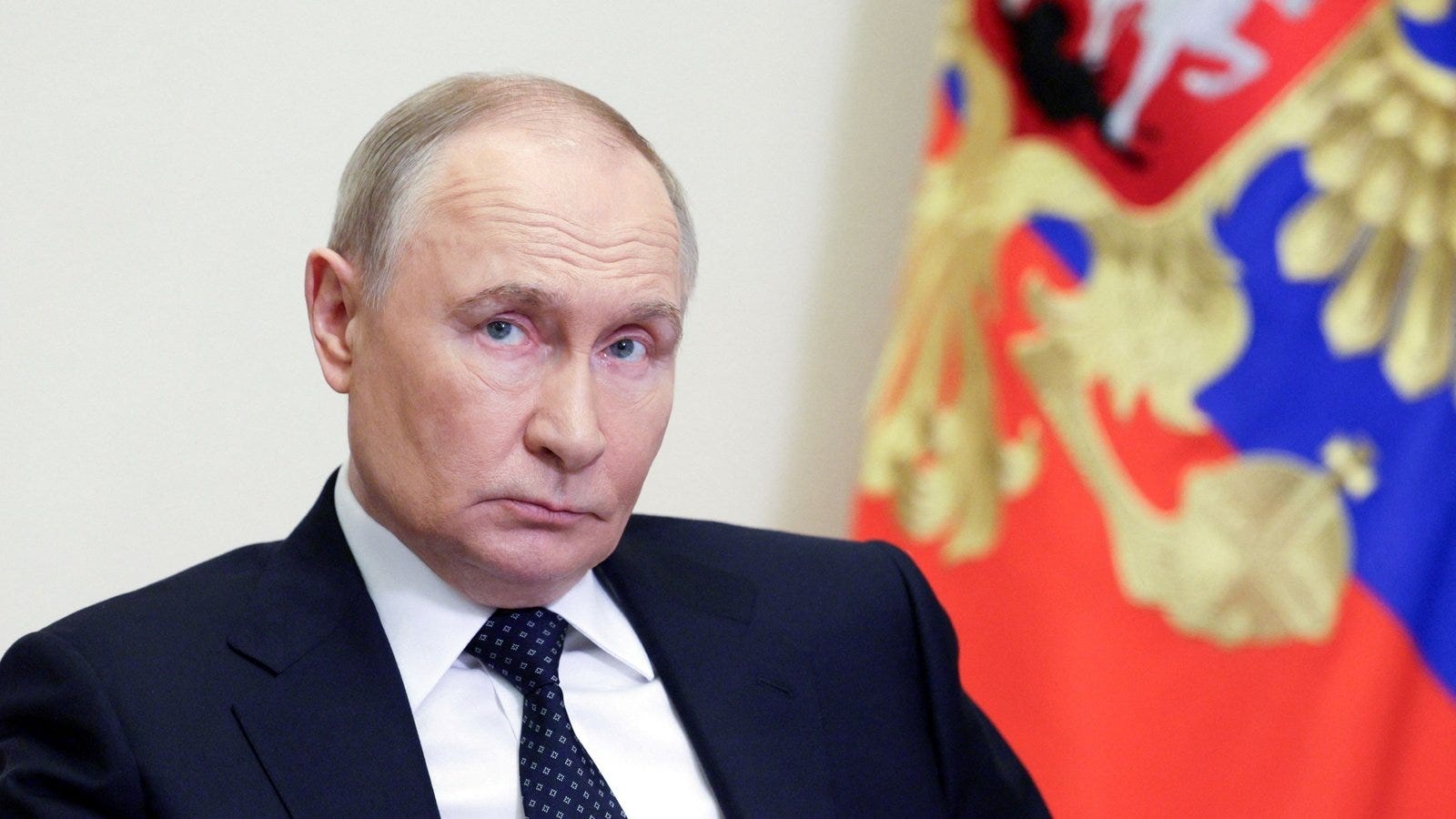
Russia has formally terminated military cooperation agreements with Portugal, France, and Canada, declaring the post–Cold War deals signed between 1989 and 2000 no longer relevant. These agreements were products of a brief era of improving ties following the Soviet collapse, when leaders like Gorbachev and Yeltsin sought closer integration with Western security structures—even exploring a potential NATO partnership. Their cancellation reflects Moscow’s hardened, openly hostile stance toward NATO amid the ongoing Ukraine war.
The move follows a similar decision in July to scrap a 1996 agreement with Germany, which Russia accused of pursuing “hostile” and “militaristic” policies. At the same time, Portugal and France have endorsed an EU plan to use roughly €210 billion in frozen Russian state assets to issue loans to Ukraine, helping cover Kyiv’s projected $65 billion budget shortfall over the next two years. This marks another escalation in Europe’s financial response to Russia’s war. More
Mark Carney’s Civil Service Buyout Will Cost $1.5 Billion to Cut Payroll by $82 Million
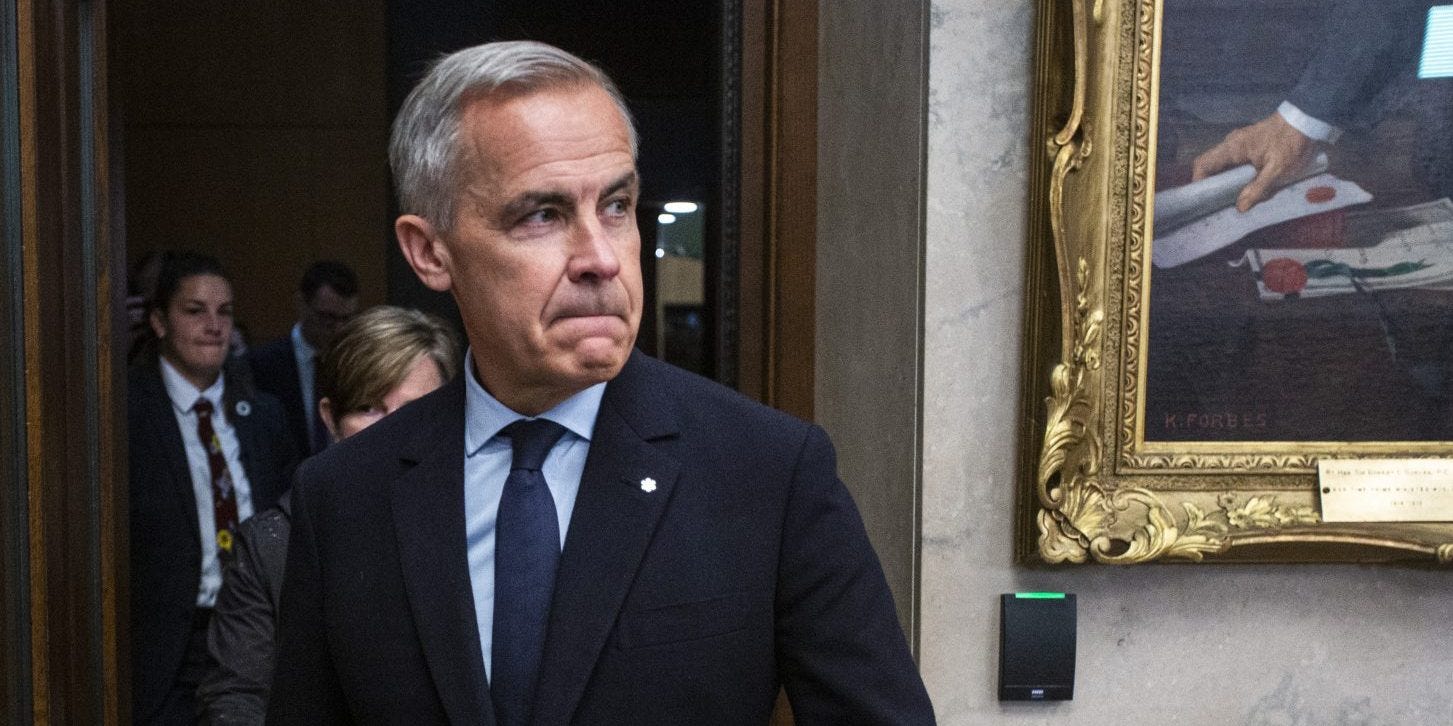
Mark Carney’s government is reviving a 1990s-style early retirement scheme to shrink the bloated federal bureaucracy—but at an absurd cost. Ottawa will spend $1.5 billion on “Early Retirement Incentives” that let public servants aged 50+ retire up to five years early with full pensions, effectively giving some as much as $194,000 in free retirement.
Despite the massive upfront price tag, the program only trims the federal payroll by $82 million a year, meaning it won’t break even until 2044. The civil service, swollen to 358,000+ employees after Trudeau’s decade-long hiring spree, is supposed to shrink by 40,000 positions — but Carney is avoiding layoffs to keep unions happy.
It’s one of the costliest, least efficient ways to reduce government size, echoing the Chretien-era buyouts that also cost billions. Yet unions are celebrating, and taxpayers are stuck paying billions now for tiny savings decades down the road. More
AI-Powered Police Body Cameras, Once Taboo, Get Tested on Canadian City’s ‘Watch List’ of Faces - Edmonton police are testing AI-powered body cameras that detect faces on a high-risk watch list of about 7,000 people. More
Netanyahu Says He Will Not Retire from Politics for a Pardon and Rejects Plea Bargain in Corruption Trial - More
Hamas Official Says the Group Ready to Discuss ‘Freezing or Storing’ Its Weapons - More
Venezuela Inducts 5,600 New Troops as US Carrier Strike Group Operates Nearby - More
China to Increase Tax on Condoms and Contraceptives as It Grapples With Plunging Birth Rate - More
Apple and Google Warn Users in Over 150 Countries of State-Sponsored Spyware Attacks - The tech giants highlighted rising spyware risks linked to Intellexa and other surveillance vendors as governments and tech firms intensify scrutiny of cyber-espionage campaigns. More

EU Slaps Elon Musk’s X With $140 Million Fine Over Content Rules
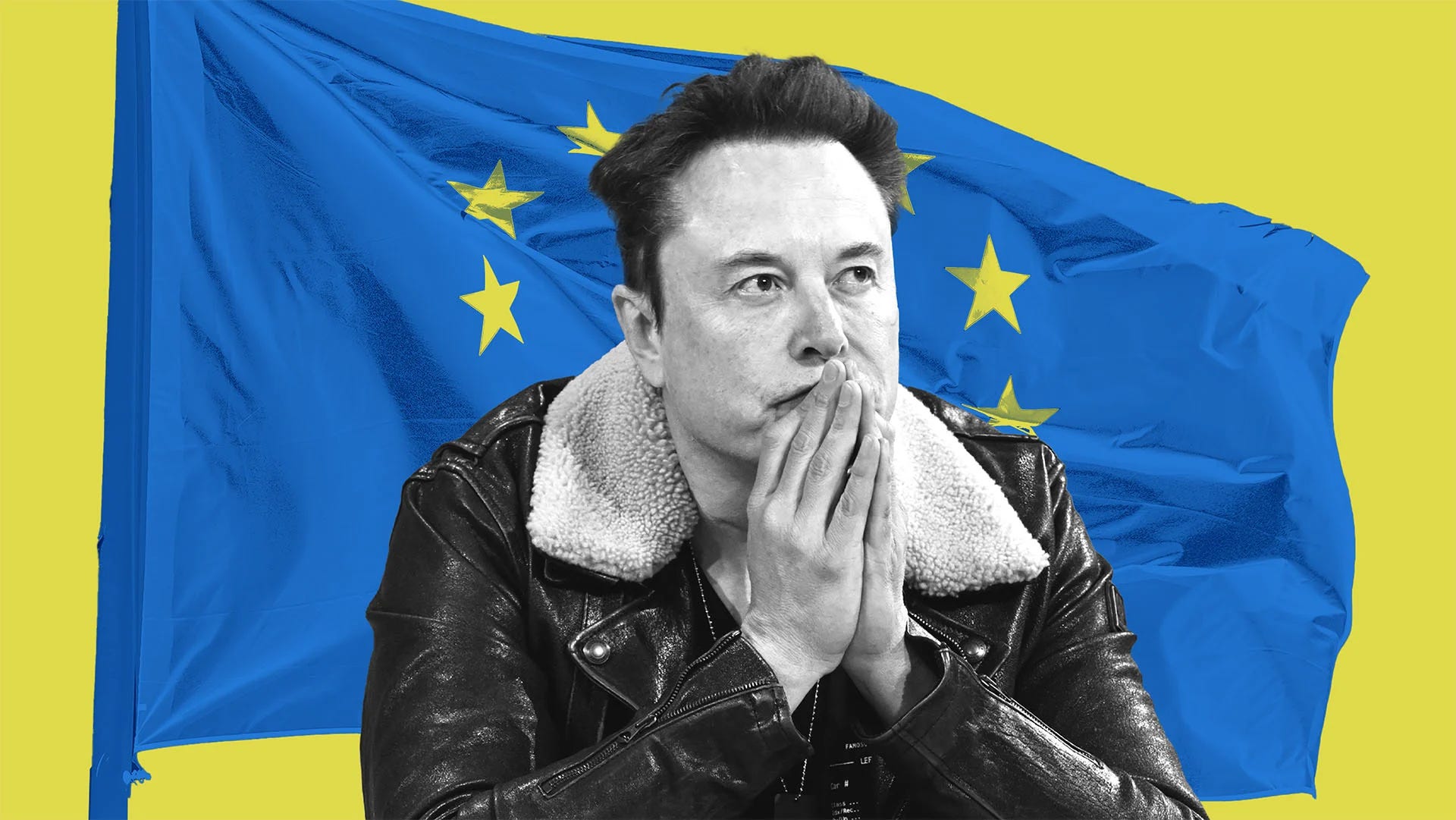
The European Commission fined Elon Musk’s X social media platform $140 million after a two-year investigation under the Digital Services Act (DSA). Regulators found X violated transparency rules by turning the blue check verification into a paid feature without proper identity checks, maintaining an incomplete advertising library, and blocking eligible researchers from accessing engagement data.
The EU said these practices misled users, hindered research into disinformation and election interference, and evaded accountability. X now has 60 days to address verification issues and 90 days to fix ad and data transparency shortcomings, or face additional penalties.
The fine sparked criticism from US officials, including Vice President JD Vance and Secretary of State Marco Rubio, who called it an attack on free speech and American tech. Critics argue the DSA could create a “global censorship regime,” raising concerns over online freedom of expression. More
Stats Canada: Unemployment Drops to 6.5 Percent as Economy Adds 54,000 Jobs - More
Waymo Recalls Self-Driving Vehicles Amid Texas School Bus Violations - The self-driving cars have passed stopped school buses in Austin, Texas, 19 times this school year. Regulators want reports by Jan. 20. More
Air Transat Pilots’ Union Issues 72-Hour Strike Notice, Threatens Walkout on Dec. 10 Without Progress in Contract Talks - More

New Moonquake Discovery Forces NASA to Rethink Artemis Moon Settlement Plans

A new study examining the Apollo 17 landing site in the Taurus-Littrow valley finds that terrain shifts and landslides were caused by repeated moonquakes, not meteoroid impacts, overturning previous assumptions about lunar surface changes. Researchers identified the Lee-Lincoln fault as the likely source of quakes over the last 90 million years, and evidence suggests it may still be active today.
While the daily risk of a damaging quake is low—around 1 in 20 million—long-term missions and lunar habitats, particularly taller landers like the Starship Human Landing System, could experience significant ground acceleration near active faults. The findings highlight that future Artemis settlements must avoid building on or near recently active lunar faults and account for seismic hazards in mission planning.
Scientists emphasize that this research advances lunar paleoseismology, using Apollo-era data and modern analysis to better understand moonquakes and protect astronauts and infrastructure as NASA prepares for a sustained human presence on the Moon. More
Scientists Discover Natural Hormone FGF19 Activates Brain-Driven Fat-Burning Switch to Fight Obesity - More
Journal Retracts Paper Often Cited in Saying Roundup Ingredient Glyphosate Is Safe - The journal cited evidence indicating the authors were paid by Monsanto. More

Netflix to Become THE Streaming Powerhouse with $72 Billion Warner Bros. Acquisition

Netflix’s $72 billion acquisition of Warner Bros.’ studios and streaming assets, including HBO and HBO Max, instantly transforms the streaming landscape, creating a combined service that would control roughly a third of US streaming activity. The deal strengthens Netflix’s global content library with iconic IP like Harry Potter, Game of Thrones, and Friends, positioning it as the “streaming powerhouse.”
However, the deal faces significant regulatory scrutiny, with critics like Sen. Elizabeth Warren warning it could reduce competition and raise prices. Netflix argues the broader entertainment market—including ad-supported streaming, YouTube, and gaming—limits its market power. While analysts see long-term strategic value and potential cost savings, near-term risks include regulatory hurdles, political pushback, and execution challenges, which contributed to a nearly 3% drop in Netflix shares after the announcement. More
Jeff Kent Elected to Hall of Fame by Era Committee, While Barry Bonds and Roger Clemens Get Snubbed - More
Lando Norris Captures His First Formula 1 Title at Abu Dhabi Grand Prix - More
FIFA Announces Full 2026 World Cup Schedule - Canada to play Qatar and Switzerland in its first two matches. More

OnlyFans’ Bonnie Blue, Who Had Sex 1,000 Men in 12 Hours, Arrested in Bali on Porn Charges
Hundreds of Egyptian Documents Were Damaged by a Water Leak at the Louvre
On This Day in 1868, the very first traffic lights were installed outside London’s Palace of Westminster. Designed like railway signals, they used semaphore arms by day and red and green gas lamps at night.
Your best newsletter yet! I read the article in the Post describing separatists as “angry white men” and you are perfectly right, it made me, a woman more angry, more frustrated, more likely to vote seriously to separate. Thomas Lucazuk has always been a divider. We need less of his rhetoric and more calm rational debate. Danielle Smith offers that in a conservative which drives the left mad. She can answer the rational and moral arguments. The left hasn’t had to actually debate ideas for at least ten years now and rather than relearn the skill they will smear and straw man but people catch on eventually.
Good work gentlemen!
Bill C-9 is far worse.
I argue as a lawyer the forfeiture clause IS A VEILED CAPITAL PUNISHMENT CLAUSE.
https://open.substack.com/pub/lawyerlisa/p/bill-c9-what-does-forfeited-for-disposal
I CREATED some letters which are better than petitions.
https://open.substack.com/pub/lawyerlisa/p/letters-re-bill-c-9-urgent-there
Muslims are upset about it too.
https://www.as-seerah.com/haya/assault-on-faith-jails-for-bible-quran-reciters-free-passes-for-rapists-pedophiles
Campaign life on bill c9
https://campaignlifecoalition.nationbuilder.com/r
I started sounding the alarm in the summer. I'm so glad to see all the news reporting.
Let's discuss my book WORLD ON MUTE sometime.