


Good morning, it’s Wednesday, December 10th. In today’s news, Ottawa destroyed key documents behind the Freedom Convoy Emergencies Act decision, Canada’s human trafficking crisis explodes, a Surrey mansion reveals Canada’s inability to crack down on transnational crime, the EU flips its immigration script by fast tracking deportations, and much more.
First time reading the daily blend? Sign up here.

Ottawa Destroyed Key Documents Behind Freedom Convoy Emergencies Act Decision

The Emergencies Act, the wartime tool Ottawa used to literally stomp the Freedom Convoy, wasn’t only ruled unconstitutional. We are now learning that the very documents the Liberals claimed justified this sweeping overreach were quietly destroyed. And while that paper trail disappeared inside the federal bureaucracy, the government was leaning on Facebook, Google, Twitter, TikTok, Reddit, and Microsoft to clamp down on speech from Canadians who backed the convoy.
That is the real story coming into view: an illegal act, missing records, and a federal push to shape the public square in real time.
The warning sign came from the Privy Council Office, the Prime Minister’s own central arm. When asked where the convoy-linked briefings and communications had gone, PCO called them “transitory.” In plain speech: disposable. Not worth saving. This included ministerial updates, sit-reps, and documents tied to the first-ever use of a wartime law on Canadian soil during peacetime.
One of those updates came from then RCMP Commissioner Brenda Lucki. It laid out her view of the convoy, her talks with cabinet, and the state of operations. Huge parts of it were blacked out before the Public Order Emergency Commission. Yet censors missed a line that now frames the whole episode:
PCO checked in with Facebook, Google, Twitter, Reddit, TikTok, and Microsoft. Each was asked what they were doing about “hateful content” and encouraged to “remove the worst of it quickly.”
This is not how free nations behave. Ottawa was not only invoking emergency powers; it was shaping the online narrative while doing so. And the records that could show how far this pressure went have since been wiped from the system.
Calling these documents “transitory” is a loophole meant for scratch notes, not evidence in a national inquiry. Yet PCO insists the staff who handled them have moved on, that they don’t know where to look, and that even if the records did exist, they weren’t important enough to keep.
Canadians should ask why the files vanish only after a Federal Court finds the Emergencies Act illegal. What would those briefings have shown? That police leadership didn’t ask for it? That the intelligence never met the threshold? That politics, not public safety, drove the decision?
We may never know. Ottawa made sure of it. But the pattern is clear: if the state can erase the record of its own wrongdoing, it has already stepped far beyond democratic reach. Source.
Canada’s Human-Trafficking Crisis Explodes as Government Fails Victims and Provinces Hit Record-Highs
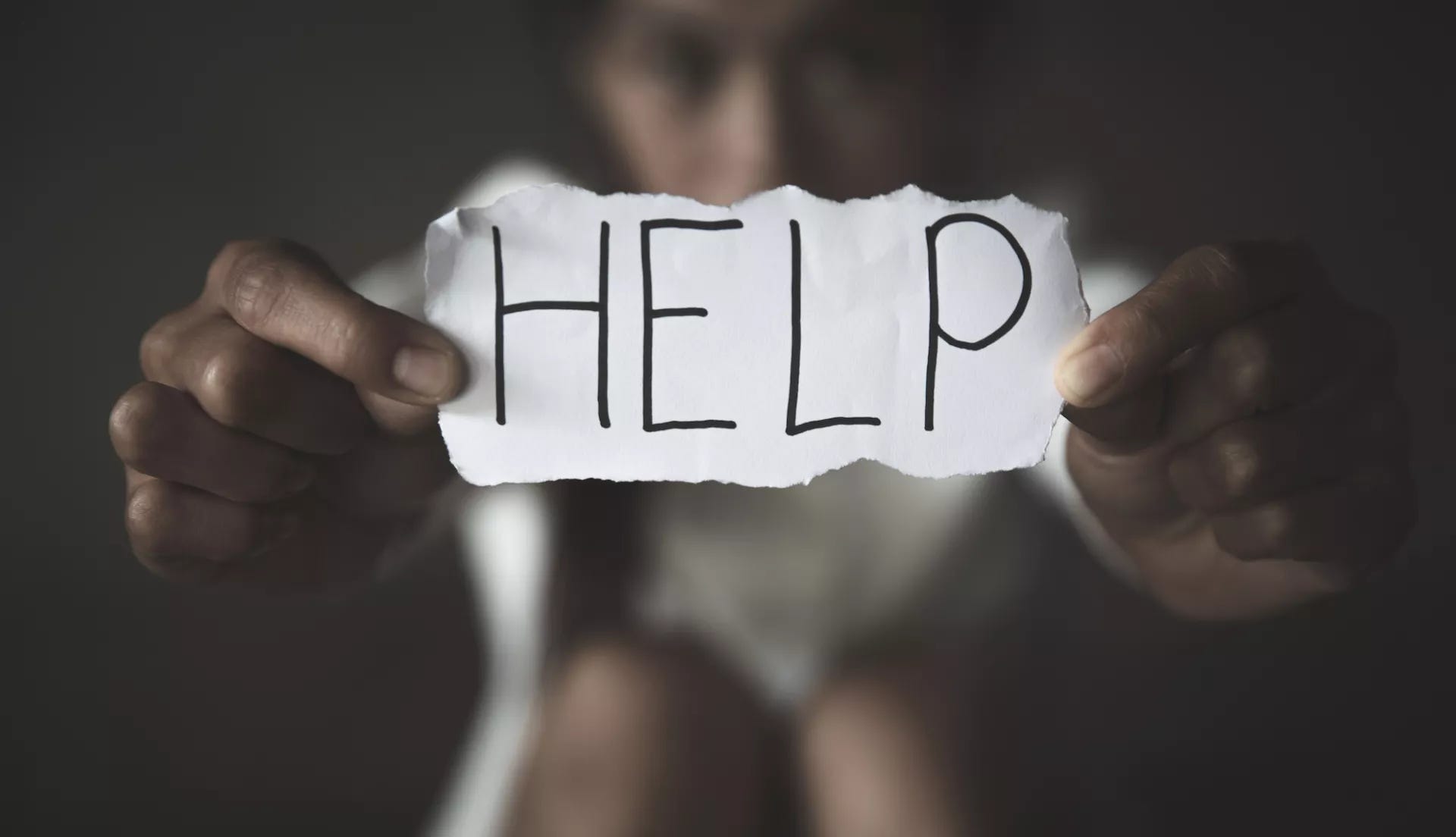
Canada’s human-trafficking crisis has become a staggering national failure, and the latest figures make it impossible to pretend otherwise. New Statistics Canada data shows Nova Scotia now leads the country with the highest human-trafficking rate—triple the national average. While Canada recorded 5,070 police-reported incidents between 2014 and 2024, averaging 1.2 incidents per 100,000 people, Nova Scotia posted 4.1 per 100,000 over the same period and 4.5 per 100,000 in 2024 alone. In total, the province saw 452 cases—a staggering count given its population.
The crisis is not isolated. Ontario, PEI, and New Brunswick also surged past the national average in 2024, with rates between 2.0 and 2.8 per 100,000, underscoring a country-wide collapse in prevention and enforcement. And these numbers only scratch the surface. Experts estimate less than 10% of survivors ever report to police, meaning the real scale of exploitation remains buried. The Canadian Human Trafficking Hotline has already logged nearly 19,800 contacts since 2019—a volume that exposes how deeply entrenched this crime has become while governments look the other way.
The victims are overwhelmingly young, vulnerable, and abandoned by the system. Ninety-three percent of identified victims were women and girls, and two-thirds were under 25. Many are children groomed by someone they know: 36% of female victims had an intimate relationship with their trafficker. Meanwhile, 82% of the accused were men and boys, and the geographic breakdown reveals hotspots the federal government has failed to confront—including cities like Halifax and Thunder Bay, which recorded some of the highest per capita trafficking rates in the country over the last decade.
Justice is where the failure becomes unforgivable. Between 2013/14 and 2023/24, Canada’s courts processed 1,281 human-trafficking cases with an average of 18 charges per case. Yet despite the severity and volume of evidence, 84% of these cases were stayed, withdrawn, dismissed, or discharged, and only 10% ended in a guilty verdict. On top of that, human-trafficking cases take twice as long to complete as other violent offenses—meaning survivors are dragged through years of retraumatizing legal limbo only to see their traffickers walk free.
Despite ballooning case numbers and a growing national awareness, Canada’s response remains toothless and lethargic. Governments applaud themselves for “raising awareness,” while the frontline reality is thousands of young women and girls being trafficked, a justice system that collapses under its own weight, and provinces like Nova Scotia and Ontario turning into hotspots without meaningful intervention.
Canada isn’t simply experiencing a human-trafficking problem—it is actively failing the victims while the crisis expands in plain sight. And until the government stops hiding behind reports and starts delivering actual protection and enforcement, this epidemic will only grow.
One Surrey Mansion Reveals About Canada’s Struggle Against Transnational Crime

Canada likes to think of itself as a bystander in the global drug trade. But one fortified mansion in Surrey has now laid bare a harder truth: transnational cartels have settled into our suburbs while our legal system spins its wheels.
For nearly ten years, British Columbia has been trying to seize a house on 77th Avenue tied to some of the earliest fentanyl lines that spread from Vancouver’s Downtown Eastside to the rest of the country. Police raided it in 2016. They raided it again in 2024. Each time they reported the same pattern: hidden drug rooms, counterfeit pills, raw synthetic opioids, and weapons stored with the expectation of armed clashes. They found Chinese-made surveillance gear, cash bricks, body armour and evidence that its residents were tied to every major gang in the province.
This spring, the case took a darker turn. Newly filed civil-forfeiture records allege the occupants had gone beyond local drug work and had begun cutting deals with the Sinaloa Cartel itself. Ottawa has since listed Sinaloa as a terrorist group. Yet the network tied to the Surrey mansion went on for years without a single successful criminal prosecution.
That failure is the real story.
Because behind the shock of cartel bosses and fentanyl labs sits a long record of stalled cases, disclosure fights, Charter disputes and court delays that have left law enforcement stuck while synthetic opioids flood the country. Police leaders have warned for years that the Stinchcombe disclosure regime has crippled complex prosecutions. The Surrey mansion is a case study. Despite raids, weapons, drugs and financial red flags, the province still hasn’t managed to take the keys.
B.C. is now asking the court to merge nearly a decade of files into one high-stakes forfeiture case. It is the province’s attempt to do what the criminal courts have so far failed to do: hold someone accountable and strip a cartel-linked drug base from its owner. The defendant denies all wrongdoing, claims lawful income, and is now trying to turn the case into a constitutional test of the Civil Forfeiture Act.
Meanwhile, fentanyl deaths climb, Chinese precursors pour through our ports, and Mexican cartels expand their reach.
This one mansion isn’t just a crime scene. It’s a sign of a state that no longer has control over the forces tearing through its streets. Source.

EU Flips Immigration Script: Fast-Track Deportations, Harsh Penalties on Migrants in Controversial New Law

European Union nations have agreed on a controversial law designed to fast-track the deportation of third-country nationals with no legal right to stay in the bloc. The measure, part of the 2024 EU Pact on Migration and Asylum, allows member states to establish “return hubs” in non-EU countries where migrants could be held while awaiting repatriation. Authorities could require migrants to provide biometric data and identity documents, with harsh penalties for noncompliance—including benefit cuts, denial of work permits, criminal sanctions, and even imprisonment.
The urgency is driven by numbers: over 918,000 people were found illegally present in the EU last year, with 453,380 ordered to leave.The law also introduces a European Return Order to share data and enforce deportation orders across borders, making it nearly impossible for migrants to evade expulsion by moving between countries.
Critics warn the plan is cruel and unworkable, with offshore return hubs potentially keeping people in prolonged detention and legal limbo, stripping them of basic rights. More
Women’s Rights Group Launches Constitutional Challenge to Stop Housing Biological Males in Female Prisons

A Canadian women’s rights group, CAWSBAR, has filed a court motion challenging the constitutionality of placing biological men in women’s prisons. The case argues that Directive 100, which allows trans-identifying men to be housed in women’s federal correctional facilities, violates female inmates’ Charter rights to life, liberty, security, and protection from cruel or unusual treatment.
The case highlights serious safety concerns: a CSC study found 46% of male-to-female trans-identified inmates had a history of sexual offences, and 92% were incarcerated for violent offences. In addition, an institutional audit showed 72% of gender-diverse offenders had at least one incident while incarcerated, including violent misconduct and rule-breaking. CAWSBAR argues these policies expose women to risk of abuse and prevent them from speaking out due to fear of retaliation.
CSC maintains all placements follow case-by-case risk assessments and safety measures. The motion will be heard March 3, 2026, in Federal Court. More
New York Archdiocese Agrees to Mediation for Settling 1,300 Claims of Sexual Abuse - The church, which serves 2.5 million New York Catholics, said it is working to make available $300 million to ‘provide compensation to survivors.’ More
Trump Warns of ‘Severe’ Tariffs on Canadian Fertilizer if Needed - Roughly 95 percent of the fertilizer produced in Canada is exported and the United States. More
Federal Judge Orders Release of Ghislaine Maxwell Files About Jeffrey Epstein - The ruling was issued days after a federal judge in Florida granted the DOJ’s request to release transcripts from a grand jury investigation into Epstein in the 2000s. More
Inuit Man Gets Reduced Sentence for Attempted Murder Due to His Indigenous Status and Mental Illness - The man who tried to choke a woman to death ‘has experienced significant trauma and loss, and has had a difficult life,’ said the judge. More
WHO: More Than 100 People Killed in an RSF Attack on a Hospital in Sudan - More
Lithuania Declares State of Emergency Over Balloon Incursions Blamed on Belarus - The declaration comes after months of increased sightings of weather balloons used to smuggle contraband such as cigarettes across the border from Belarus. More

Metro Officially Signs on to Grocery Industry Code of Conduct

Metro Inc. has officially signed the Canadian Grocery Industry Code of Conduct, a framework meant to ensure fair dealings between grocers and suppliers, including rules around penalties and fees. CEO Eric La Flèche said Metro has worked with the code office to support its implementation.
While the move aims to curb unfair practices, critics warn it could very well drive grocery prices higher. The code limits the leverage of large grocers to negotiate bulk discounts with suppliers, reducing economies of scale, which will inevitably result in passing higher costs onto consumers. Metro’s banners include Metro, Metro Plus, Super C, Food Basics, Adonis, Première Moisson, Jean Coutu, Brunet, and Metro Pharmacy. Sobeys’ parent company, Empire Co., was the first retailer to sign, and Lactalis Canada was the first supplier member. More
Bombardier Delivers First Global 8000, the Fastest Civilian Jet Since the Concorde - The private jet, which can reach Mach 0.95 (over 1,000km/h), also features the lowest cabin altitude in business jet production—2,691 feet at 41,000 feet—giving passengers more oxygen, less body stress, and reduced jet lag. More
Air Transat Cancels 18 Flights Scheduled for Tuesday and Wednesday as Pilot Strike Looms - They’ve also added extra return flights this week for passengers who could otherwise be stranded at resorts if a walkout begins on Wednesday. More
Microsoft Vows to Protect ‘Digital Sovereignty’ in $7.5-Billion Canadian Data-Centre Expansion - More

Evolutionary Experts: Humans Are Built for Nature Not Modern Life

Evolutionary anthropologists Colin Shaw and Daniel Longman argue that modern industrialized life is outpacing human biology, creating chronic stress and widespread health problems. Our bodies evolved for hunter-gatherer conditions—frequent movement, acute stress, and daily exposure to nature—but today’s world exposes us to constant stressors, pollution, processed foods, and sedentary lifestyles.
This mismatch is linked to rising inflammatory and autoimmune conditions, falling fertility, and declining sperm counts. The researchers warn that biological adaptation is too slow to keep up and call for cultural and environmental changes, including reconnecting with nature and redesigning cities to better suit human physiology. More
Scientists Find a Hidden Brain Switch That Makes Habits Form Fast - Scientists found that changing KCC2 protein levels can reshape how the brain forms reward associations: lower KCC2 increases dopamine, making new habits—good or bad—form more easily. More
RidgeAlloy: The New Material Transforming Scrap Into High-Performance Parts - Researchers at Oak Ridge National Laboratory developed RidgeAlloy, a new aluminum alloy that transforms contaminated auto-body scrap into durable structural vehicle parts. More

Philip Rivers Returns to NFL at 44, Joining the Colts Amid a Quarterback Crisis

After a five-year NFL hiatus, 44-year-old Philip Rivers has joined the Indianapolis Colts’ practice squad following starter Daniel Jones’ season-ending Achilles injury. Rivers’ familiarity with Colts coach Shane Steichen and the team’s offense makes him a quick-reintegration option, especially with backup quarterbacks Riley Leonard and Anthony Richardson sidelined. While Rivers’ return is risky due to age and inactivity, he could help the Colts maintain playoff contention and would become one of the oldest quarterbacks ever to play in the NFL. Fun fact: he could also become the first grandpa to ever play in an NFL game. More
Inter Miami’s Lionel Messi Wins MLS MVP for 2nd Straight Year - More
Cutting It Close: Milan Arena to Open February 2, Just Three Days Before Olympic Hockey is Scheduled to Begin - NHL players have made it clear that they will skip the Olympics this year if the ice is not ready or unsafe - More
Country Star and Frontman of The Mavericks, Raul Malo, Has Died at age 60 - More

New Study Finds Garlic Mouthwash Packs Shockingly Strong Germ-Fighting Power, Could Revolutionize Oral Hygiene
Pornhub Reveals Canada’s Top Adult Entertainment Trends of 2025, With MILFs Leading the Way
On This Day in 1901, the first Nobel Peace Prizes were awarded to Red Cross founder Jean Henri Dunant and peace advocate Frédéric Passy
Here is a short video on bill c9 and what we "aren't" talking about or fighting.
I'm a lawyer of 26 years with 3 post secondary degrees, ran a firm, sued the government wrote the book WORLD ON MUTE by Lisa Miron.
Please consider having me on to discuss this with your audience.
https://youtu.be/M6AEdTerhEY?si=pas6myoOiIgzYbYK