


“The progress that we have made sets us up well for the new world order,” Mark Carney told the Chinese Communist Party while visiting Beijing. He praised President Xi Jinping and said he was heartened by “the speed with which our relationship has progressed in recent months.”
This came just months after a national election in which Carney warned that “the biggest security threat to Canada is China.” When asked whether he still believed China posed that threat, the Prime Minister replied: “The security landscape continues to change” and “we face many threats.”
So let’s recap. China is Canada’s biggest security threat—but we are now partnering with it, including on security, to help shape a “new world order.”

In another era, that might have been called treason.
That’s the thing about forming “new world orders.” The rules are rewritten.
Carney addressed this when pressed to elaborate. “The world is still determining what that order is going to be,” he said, raising questions such as: “What is going to govern global trade?” and “What is the role of the WTO going to be?”
He continued: “How important are bilateral deals? Plurilateral deals, if I can use that term?” before conceding, “The multilateral system that has been developing is being eroded—to use a polite term. Undercut, to use another.”
“Bilateral.” “Plurilateral.” “Multilateral.”
Needlessly murky language for a simple question: how many countries are involved in making the rules?
So what is the reality behind this deliberately bland phrasing?
The Prime Minister is correct about one thing: international institutions are rapidly losing what little authority they once had. A multipolar world is re-emerging. The post-1990s global order is fracturing. We are entering an early phase of global conflict in which powerful nations carve out regional spheres of influence.
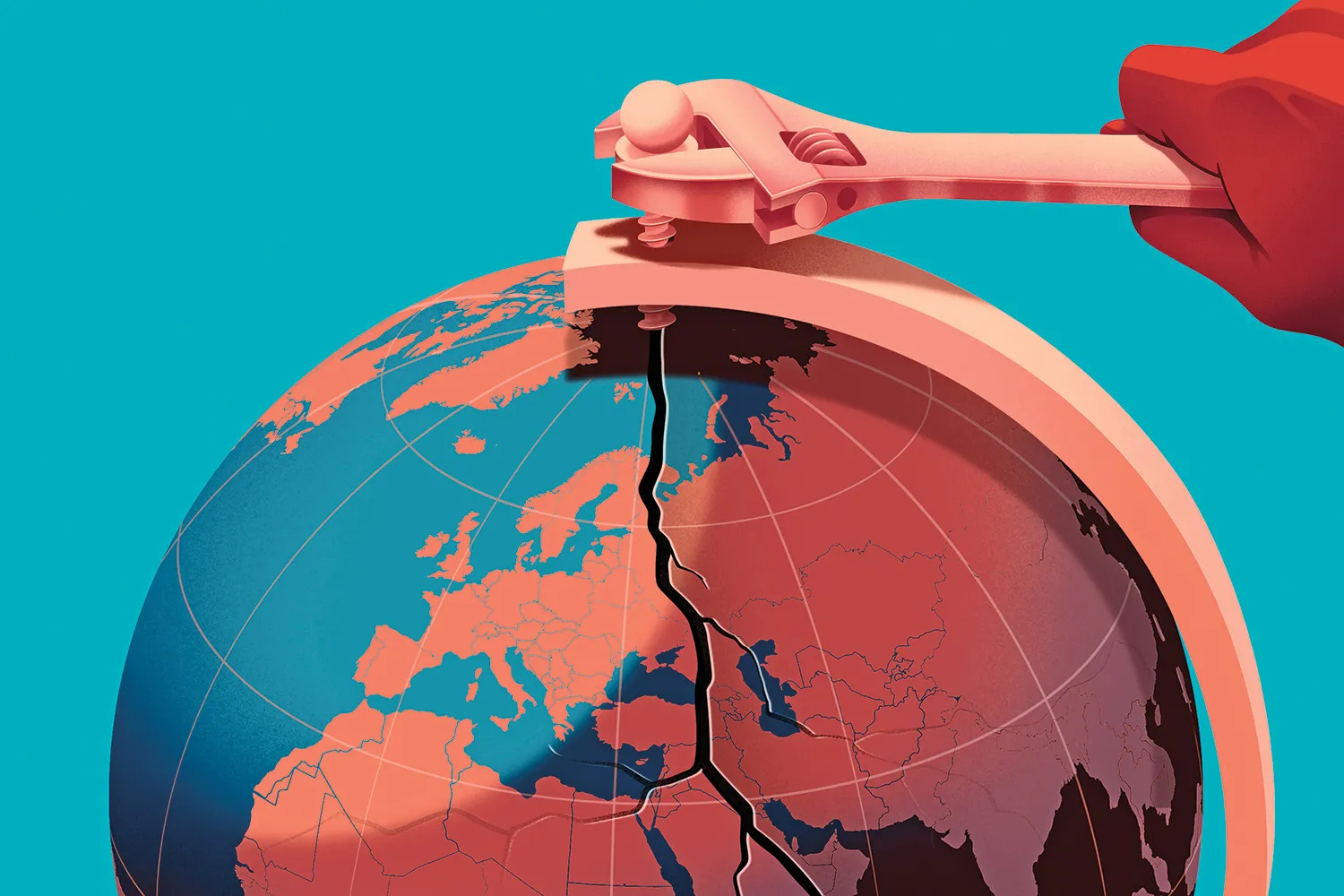
The superpowers—China, Russia, and the United States—now exert raw and soft power over the countries in their orbit. Think of it as lines being drawn in a geopolitical prison yard, where low- and mid-tier nations are expected to align with one of the dominant gangs.
That is why Carney’s decision to deepen ties with China—strengthening partnerships in energy, security, and agriculture—is a high-stakes political maneuver. He is signalling that Canada is prepared to hold the pocket for the Chinese Communist Party.
Consider the moment we are in. Russia is violently attempting to assert control over Ukraine. The Middle East remains in perpetual instability. China has repeatedly declared its intention to reunify with Taiwan, presumably by force. And the United States has just conducted a regime-change operation by seizing a foreign head of state.
Regardless of how one feels about any of this, the point stands: lines are being redrawn by force. And Canada has signalled alignment with China—the principal threat to our superpower neighbour.
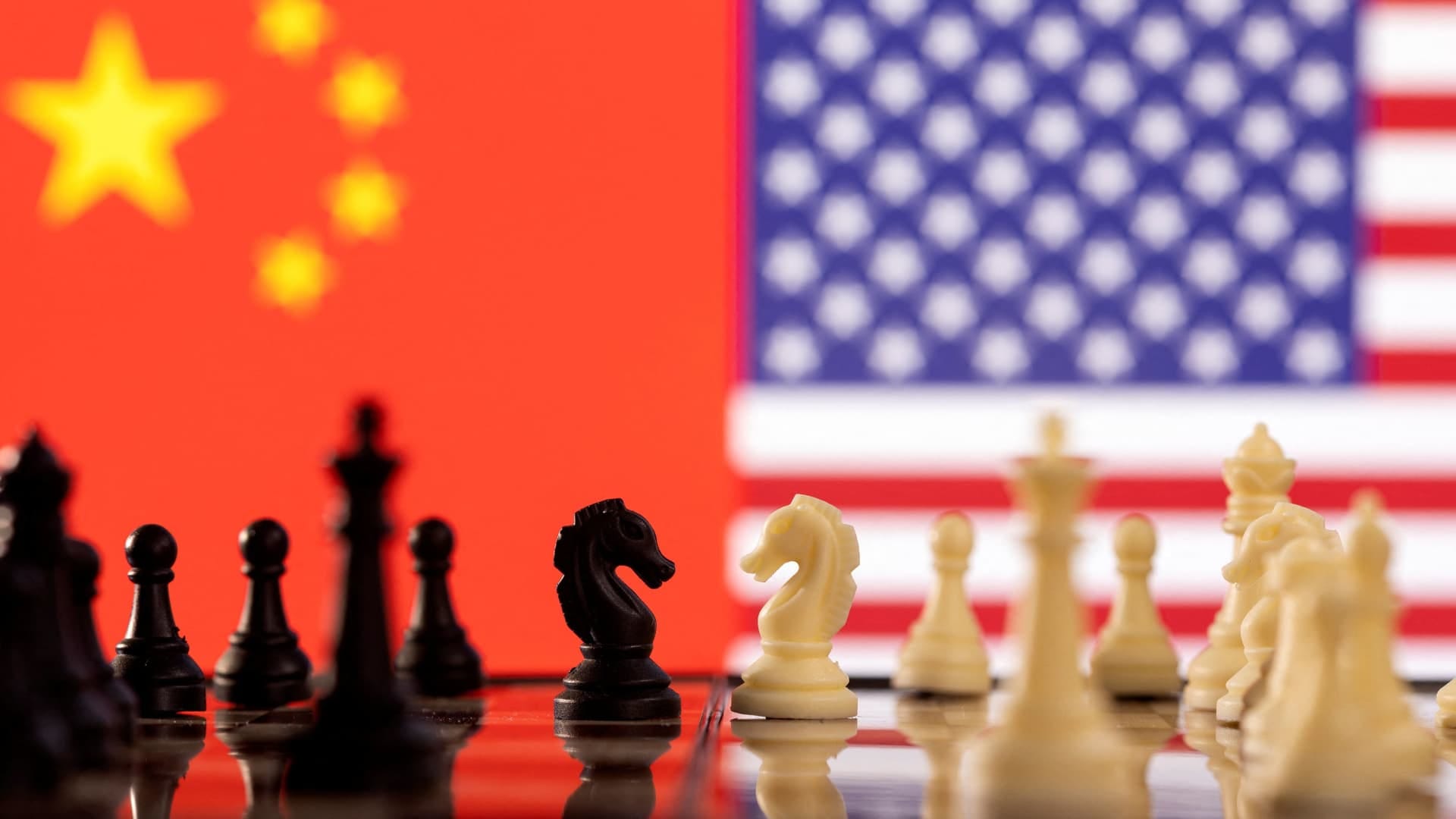
It is astonishing to think that the average CBC viewer likely feels some degree of pride that Canada is aligning itself with the Chinese Communist Party, while provoking the largest empire and military in human history—one with which we share the longest undefended border in the world—for essentially nothing.
Canada is reducing tariffs on Chinese electric vehicles from 100 percent to 6.1 percent. Doug Ford panicked, posting on X: “By lowering tariffs on Chinese EVs, this lopsided deal risks closing the door on Canadian automakers to the American market, our largest export destination, which would hurt our economy and lead to job losses.”
Ford—who refused to back Poilievre, helped pave the way for Carney’s victory, and actively undermined the Canada–U.S. relationship—is now complaining that his preferred candidate is signing bad deals with the only alternative to America.
It is also worth remembering that the Chinese Communist Party is deeply intertwined with every major Chinese corporation operating internationally. This means Canada is effectively preparing to allow thousands of surveillance-capable vehicles—many of them self-driving—onto our roads.
Carney himself admitted China is Canada’s biggest security threat. Imagine allowing a declared threat to deploy four-thousand-pound, sensor-laden machines freely within your borders.
In exchange for reduced EV tariffs, China will lower tariffs on Canadian canola, lobster, crab, and peas. This may unlock nearly $3 billion in export orders for farmers and fish harvesters, but it is difficult to argue that this offsets the national security risks posed by Chinese EVs.
The Liberals have also signalled openness to Chinese investment in Canadian oil, natural gas, and offshore wind. In plain terms, this means inviting the Chinese Communist Party to buy into critical national resources.
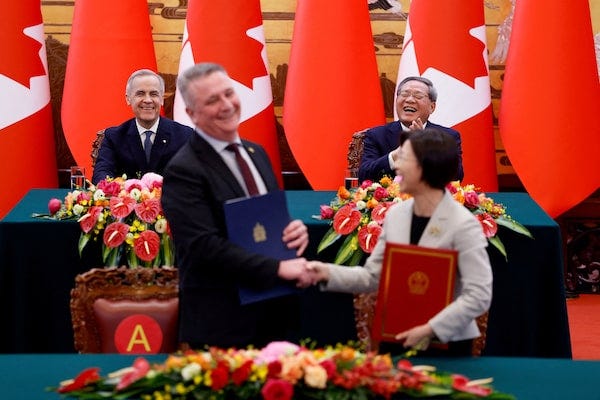
So the balance sheet looks like this: Canada allows surveillance-capable vehicles to flood the country, opens its energy sector to communist ownership, and receives $3 billion in export orders—with guarantees only through 2026. China will also remove visa requirements for Canadian travellers. Yippee.
Even if the deal were not lopsided, it would still be reckless at a time when the United States has made clear it intends to reassert control over the Western Hemisphere and expel regimes aligned with Russia and China.
Even if you consume CBC religiously and believe every word they say about Trump, aligning with China while alienating the United States is not prudence. It is carelessness—bordering on insanity.
Which raises the final question.
What has opening Canada to the Chinese Communist Party actually produced in practice?
Let’s take a look.
Sounding the Alarm
For more than three decades, Canadian intelligence and law enforcement agencies have warned the Liberal Party of Canada that China is pursuing what amounts to a Trojan horse strategy.
In the mid-1990s, a small joint task force drawn from CSIS and the RCMP launched an investigation codenamed Sidewinder. Its purpose was to examine the growing nexus between Chinese business tycoons, triad criminal organizations, and the Chinese Communist Party.
What investigators uncovered was not incidental corruption, but a coordinated strategy. Chinese intelligence was using corporations and wealthy businessmen—many with direct ties to China’s military—to secure leverage inside Canada’s economy. Economic penetration was the means; political influence was the end.
Mao Zedong, the founder and ruthless dictator of the Chinese Communist Party, once reportedly laughed that China had “a friend in America’s backyard.” From the outset, Beijing’s engagement with Canada was never merely commercial. It was about establishing influence within the United States’ sphere.
Sidewinder also revealed something darker than conventional lobbying or diplomacy. The report alleged that major Chinese triads, including the 14K and Sun Yee On, were operating in partnership with the CCP and Chinese corporations. Investigators would later describe this arrangement as an “unholy alliance.”
But as Sidewinder neared completion, it was abruptly shut down.
Senior officials claimed the evidence was insufficient. Others suspected political interference. The final report was heavily redacted, then sealed. When a version leaked in 1999, it triggered brief public outrage—only for the Liberal government to dismiss its significance and resume business as usual.
That decision cleared the runway for decades of Chinese interference in Canada: pressure on Parliament, penetration of academia, influence within media, and vulnerabilities inside the military. It also coincided with the expansion of fentanyl trafficking and industrial-scale money laundering—both consistently tracing back to entities linked to the Chinese Communist Party.
In the wise words of Ayn Rand, “we can ignore reality, but we cannot ignore the consequences of ignoring reality.”
A Long List of Scandals
Fully detailing every documented instance of CCP subversion in Canada would require more bandwidth than Substack can offer. Instead, here is an exhaustive list, with each item reduced to its essentials:
Election Interference
According to CSIS, in both the 2019 and 2021 federal elections, Chinese consulates worked actively to defeat “unfriendly” MPs — especially Conservatives who took a hard line on foreign interference.
Kenny Chiu, a Conservative MP who introduced a bill calling for a foreign agent registry, was one such target. A coordinated disinformation campaign spread through Chinese-language social media helped unseat him — and many others.
Eleven candidates in the 2021 election were suspected to have benefited from Beijing’s support.
Former CSIS officials said that all federal governments over the past three decades have been warned about China’s attempts to influence elections and have failed to properly respond to the threat.
Michel Juneau-Katsuya, CSIS’s former chief of the Asia-Pacific unit, claimed every government has been infiltrated by “agents of influence” from China and every government has taken decisions that can only be explained by the successful influence from these internal agents.
Political Hostages
In 2018, Canada arrested Meng Wanzhou of Huawei on a U.S. extradition request. Within days, Michael Kovrig and Michael Spavor were detained by China in what was plainly hostage diplomacy. For three years, Canada denied the obvious while Beijing applied pressure.
Then came the allegation that Han Dong, a sitting Liberal MP, advised Chinese officials not to release the two Michaels because doing so would help Conservatives politically. A Canadian lawmaker urging a hostile foreign power to keep Canadians imprisoned for partisan gain.
That turns foreign coercion into domestic collaboration—and exposes how party loyalty can override national duty when institutions lose their moral spine.
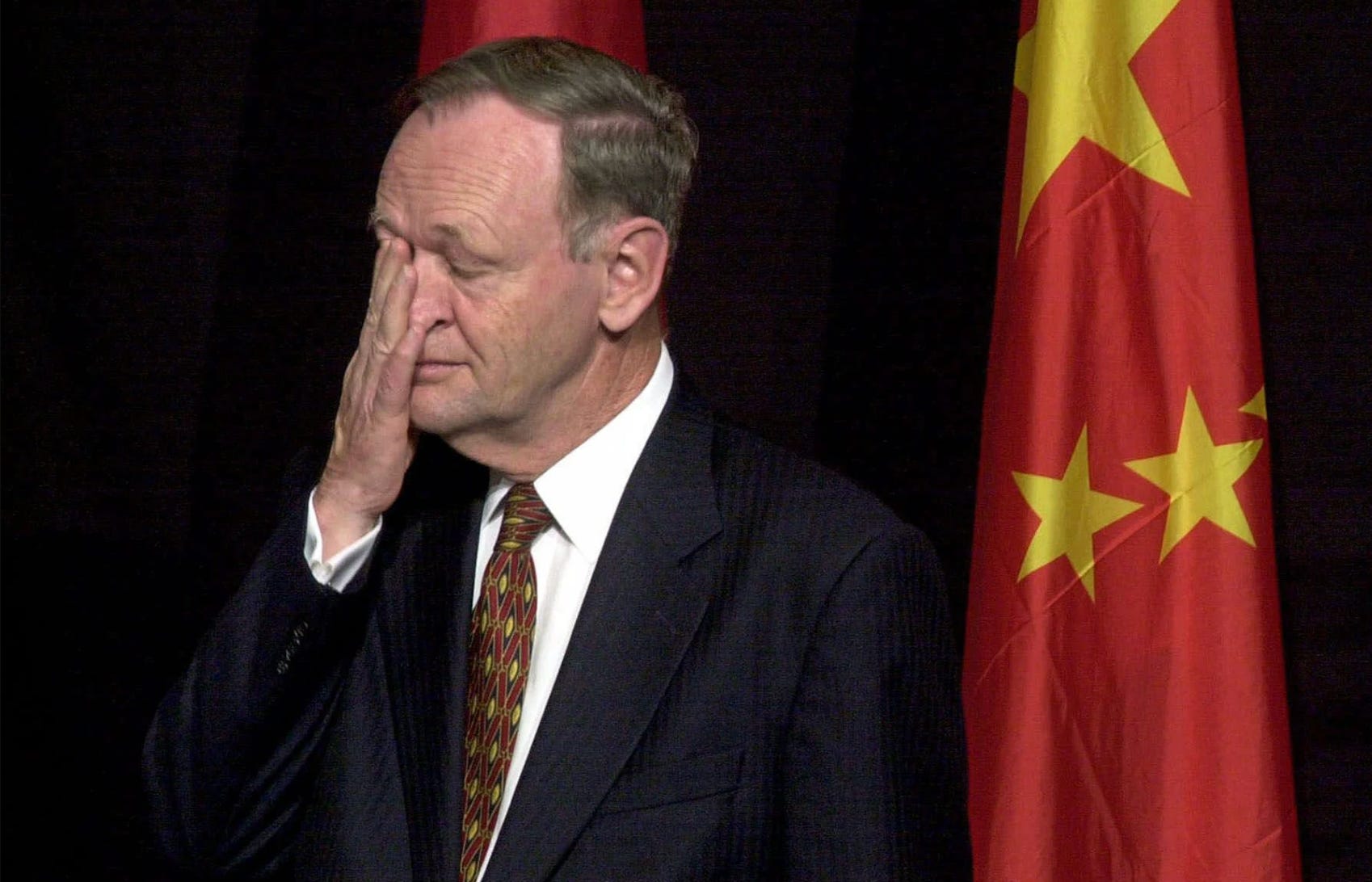
Jean Chrétien’s Shady Funding
Former Prime Minister Jean Chrétien was a long-time advocate of closer ties with China, significantly expanding Canada’s relationship with the CCP during his tenure. What is less widely understood is the extent to which Beijing actively courted Chrétien and the Liberal Party.
In Wilful Blindness, journalist Sam Cooper details allegations involving a “shady immigration-consulting business” that funnelled large sums of money into Chrétien’s riding. The scheme reportedly included proposed investment in a money-losing hotel located in that riding—an enterprise in which Chrétien himself allegedly held a business interest.
Compromised Embassy Staff
Reporting by Fabian Dawson for the Vancouver Province, dating back to 1999, alleges that as many as 30 Canadian officials may have taken gambling cash from “Triad figures” and had “since gone on to become senior government officials.”
An RCMP apparently made a “deliberate choice not to pursue investigation into possible criminal wrongdoing” because the RCMP, “didn’t want to anger the Canadian Department of Foreign Affairs.”
Operation Dragon Lord
In 1998, the U.S. Department of Justice launched a multi-agency investigation involving the FBI, CIA, NSA, and DIA known as Operation Dragon Lord. Its findings were blunt: Canada had become a gateway for Chinese criminal, corporate, and political operations across North America.
The investigation named prominent Canadian figures and institutions, including Paul Desmarais, Peter Munk, Jean Chrétien, and the Canada China Business Council. A classified memo went further, describing Canada not as an ally, but as a liability in confronting hostile foreign operations targeting the West.
Operation Fox Hunt
Beginning in 2014, Chinese police launched a global campaign known as Operation Fox Hunt, publicly framed as an effort to track down corrupt officials. In practice, it functioned as a smokescreen for pursuing dissidents and intimidating critics of the Chinese Communist Party.
Fox Hunt operatives effectively acted as extraterritorial law enforcement, operating inside foreign borders. They filmed these pursuits and repurposed them as propaganda, broadcasting a warning to Chinese expatriates and citizens abroad who might consider challenging the CCP.
Winnipeg Lab Leak
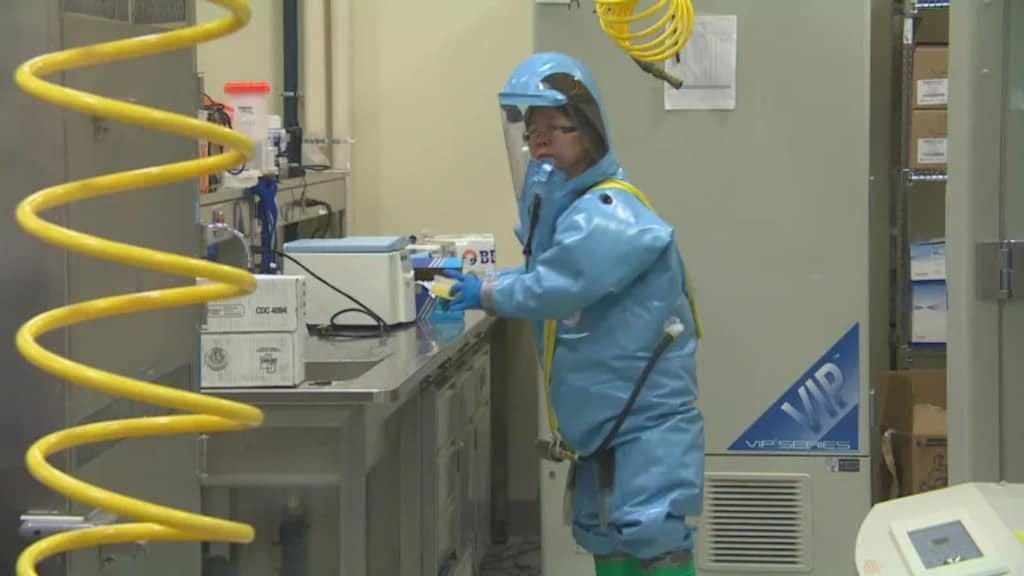
In 2019, two scientists were escorted out of Canada’s National Microbiology Laboratory—a biosafety Level 4 facility—by the RCMP. This is where Canada stores and studies its most dangerous pathogens, including Ebola, henipa, and coronaviruses.
CSIS later uncovered years of covert collaboration between the two scientists and China’s top bioweapons researchers, including senior officers of the People’s Liberation Army. Including shipping 15 deadly viruses to the Wuhan Institute of Virology, the same lab which COVID appears to have originated from. Despite repeated intelligence warnings, the Liberal government refused to release unredacted documents demanded by Parliament and allowed the scientists to return to China, where they continue gain-of-function research.
Collaborating with Military Scientists
“Between 2005 and 2022, researchers at fifty Canadian universities—including all of the major institutions mentioned—conducted research and published papers with scientists tied to the People’s Liberation Army.”
“Between 2018 and 2023 researchers at Canada’s ten leading research universities published more than 240 papers on government-designated sensitive topics with PLA scientists affiliated with the National University of Defense Technology.”
Source: Under Assault by Dennis Molinaro
Stealing Academic Research
Ben Fung, a professor at McGill University, has described the CCP’s “feed, trap, and kill” model for influence operations within Western universities. First, a target is “fed” by having a need—typically financial—satisfied. Once dependence is established and a professor or institution becomes reliant on CCP-linked funding, the “trap” is set. The final stage is the “kill”: leveraging that financial dependence to extract intellectual property.
By 2019, Huawei alone was funding roughly $50 million in academic research across Canada. The University of Toronto, the University of Waterloo, the University of British Columbia, and at least ten other major research institutions signed agreements that resulted in intellectual property developed in Canada flowing into CCP-linked hands—much of it with direct military applications.
Funding Foreign Infrastructure
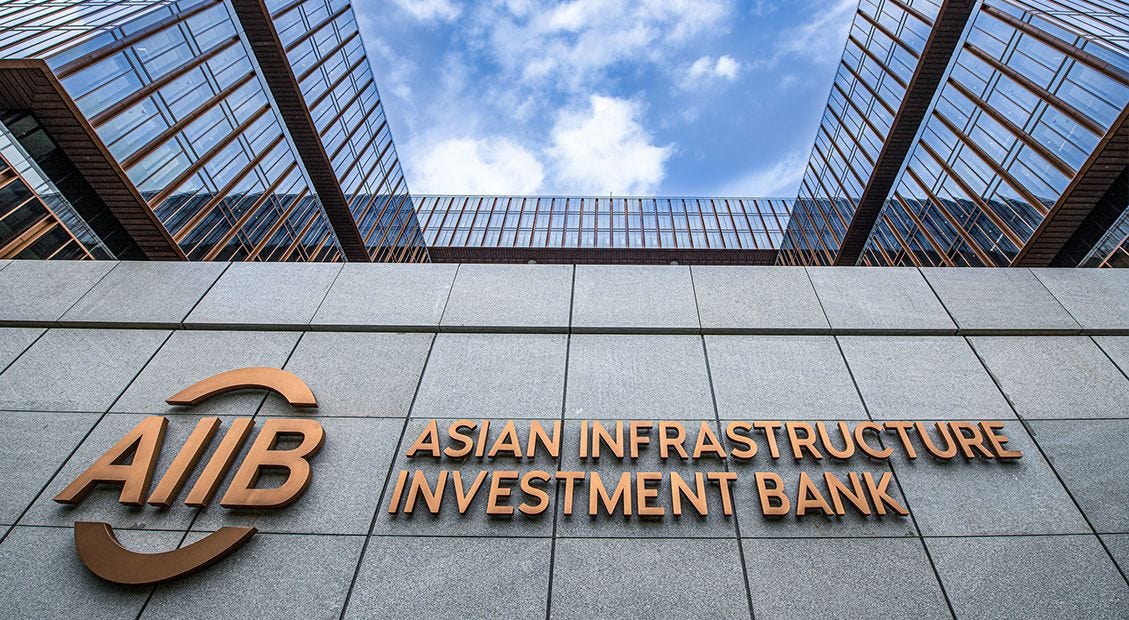
The Asian Infrastructure Investment Bank was established by China in 2016. The United States openly discouraged its allies from joining. Canada ignored those warnings and became a member in 2018.
Over the next five years, Ottawa committed roughly $1 billion in taxpayer funds to the institution before freezing its involvement in 2023. Bob Pickard, the AIIB’s Canadian global communications director, later alleged that the bank was effectively under the control of the Chinese Communist Party.
Pickard claimed CCP officials “ran amok at the bank” and said he never observed “a single benefit to Canada, Canadian taxpayers, or Canadian enterprises.”
The Vancouver Model
Chinese criminal networks have assisted wealthy Chinese businessmen in moving vast sums of money into Canada through underground banking systems—a scheme internationally known as the “Vancouver Model.”
The mechanics are straightforward. A businessman hands over money to a triad-connected intermediary in China. He then travels to Canada, where affiliates of that network deliver the equivalent amount in cash. These funds are often the proceeds of criminal activity: drug trafficking, loan sharking, embezzlement, and fraud.
Once inside Canada, the money is laundered through casinos, real estate, and luxury goods. The result has been the distortion of entire markets—most notably housing—pricing ordinary Canadians out of their own cities.
Kompromat Operations
CSIS and Toronto Police believe that Canadian politicians have been exposed to blackmail in illegal casinos run by Chinese organized crime.
After drug money is laundered it flows into real estate. Some high-end homes are converted into underground gambling dens or brothels. Canadian politicians are then invited, wined, dined—and recored.
Those politicians, now compromised, steer policy, stifle investigations and advocate for deeper ties with Beijing.
Cansino Chaos
In 2020, a Canada–China collaboration on a COVID-19 vaccine collapsed after Canadian taxpayers had invested $44 million in the project. Chinese authorities refused to approve the vaccine for export, despite authorizing similar shipments to countries such as Russia, Pakistan, and Chile.
Some observers believe the project unraveled after China obtained the data it sought; others point to diplomatic fallout following the arrest of Huawei executive Meng Wanzhou. Regardless of the motive, the outcome was the same: China failed to uphold its end of an agreement that cost Canadian taxpayers $44 million.
The “Uncatchable” Criminal
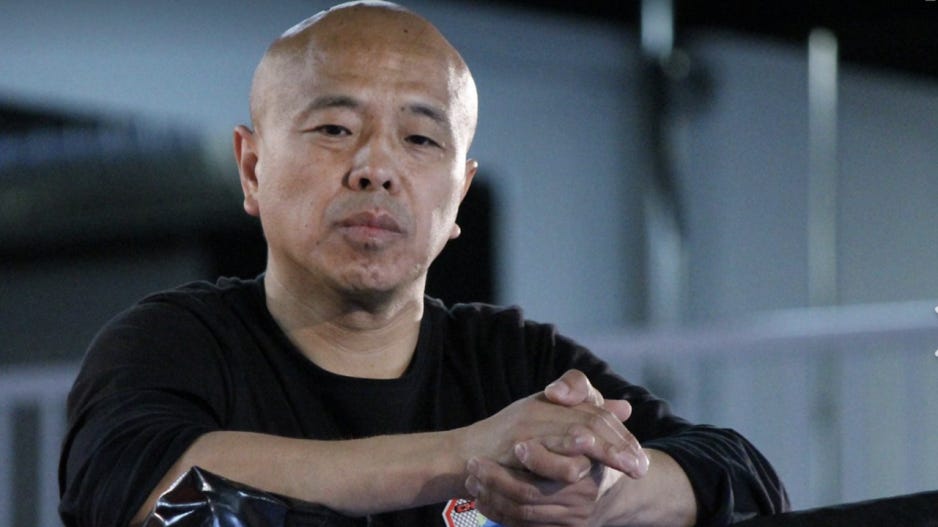
In 2015, Paul King Jin—a suspected kingpin of Chinese transnational organized crime and the central figure in multiple major investigations—had a private meeting with newly elected Prime Minister, Justin Trudeau.
Jin was a key target in the E-Pirate probe, Canada’s largest-ever money laundering case, which “mysteriously” collapsed in court. He was also granted standing in the Cullen Commission—the public inquiry meant to expose the very corruption he was accused of orchestrating.
U.S. intelligence flagged him as a key figure in Sam Gor—a vast Asian drug syndicate pushing meth, fentanyl, and heroin across the Americas. This is the same cartel that’s been called “Asia’s El Chapo network,” linked to Chinese state actors and laundering billions in dirty money through Western cities.
Paul King Jin has never been charged with a crime in Canada.
Despite surveillance footage. Despite international alerts. Despite being caught in Panama traveling under an alias. When customs officials flagged discrepancies in his identity and deported him back to Canada, the CBSA had a file waiting for him. But no interview. No follow-up. Nothing.
Even U.S. Secretary of State Antony Blinken raised the alarm. According to Port Coquitlam Mayor Brad West, Blinken was “dismayed” at Canada’s failure to prosecute Jin and dismantle Chinese crime networks.
In any functioning democracy, a prime minister caught meeting with a major crime suspect under active police surveillance would spark national outrage. In Canada… it barely made a ripple.
Nortel “Hacked to Pieces”
Canada’s crown jewel in telecommunications, Nortel—once responsible for carrying roughly 70 percent of the world’s internet traffic—became the target of sophisticated cyberattacks traced to Chinese IP addresses.
Trade secrets, product roadmaps, and research breakthroughs were siphoned off. By 2009, Nortel had collapsed into bankruptcy. Many attribute the company’s downfall to internal mismanagement, a claim that is plausible and incomplete.
Because as Nortel fell, a new competitor rose.
Huawei—virtually unknown on the global stage just a decade earlier—suddenly emerged with technologies strikingly similar to Nortel’s. Ottawa, despite mounting evidence and mounting stakes, did nothing.
Bounties for Political Opponents
The Joe Tay–Paul Chiang scandal shook Canada’s 2025 election with a reminder of how foreign repression and domestic politics can mix poorly. Joe Tay is a Hong Kong-Canadian activist, former entertainer, and Conservative candidate who drew a $1 million bounty from Hong Kong police under that territory’s national security law — widely seen as transnational repression.
During the campaign, Paul Chiang, then the Liberal MP for Markham–Unionville, told Chinese-language media someone could turn Tay over to the Chinese consulate to collect that bounty — a remark that was condemned across parties and triggered an RCMP review of whether it amounted to counselling kidnapping.
Chiang apologized but soon withdrew from the election race. Tay rejected the apology, called the comments dangerous, and even sought police protection.
Welcome to the “New World Order”
Taken together, none of this looks like coincidence. The scandals outlined above are only a sampling of a pattern that has been visible for decades—and ignored at every turn.
I briefly considered turning this into an absurdly long article to fully convey the depth of CCP corruption and influence in Canada. But eight months ago, we released a feature-length documentary, The Silent Dragon: How China Conquered North America Without Firing a Single Shot, which lays out the evidence in far greater detail. For anyone who still needs more, it is available to watch for free:
This is what the so-called “new world order” actually looks like. Not tanks rolling in, but institutions captured. China’s intentions were never hidden. They were accepted—sometimes for ideological reasons, sometimes for economic ones, often for convenience.
The question now is no longer whether the Chinese Communist Party has influence in Canada. That has been settled.
The real question is how the United States will respond to a once-trusted neighbour openly inviting its primary adversary into America’s backyard.
Now what? The takeover seems unstoppable.